As I sit here reading The Book of Margery Kempe my fingers can’t help but keep on turning back to the page in which she had her vision of ‘continuous miracle births’. Chapter 5 is specifically designated for her description of the birth of Saint Mary and Jesus Christ, which she swears she was a part of.
“Then went our creature forth with Our Lady to Bethlehem and purchased her shelter every night with great reverence, and Our Lady was received with glad cheer. Also, she begged for Our Lady fair white cloths and kerchiefs to swathe her Son in, when He was born, and when Jesus was born, she provided bedding for Our Lady to lie in with her Blessed Son Later. She begged meat for Our Lady and her Blessed Child, and she swathe Him wit bitter tears of compassion, having mind of sharp death. He would suffer for love of sinful men.”1
Margery Kempe specifically places herself at the most crucial part of Christianity: the sacred birth of its leader, Jesus Christ. This is interesting because in this vision she does not only create monologues between herself and these figures of sanctity, but she also touches them. She physically embodies herself within the miracle birth of Christianity.
Margery Kempe is a mystic. She writes of not only visions, but as we can see, physical interactions. Now, Kempe was indeed going through postpartum at this time. Some scholars may blame some of her hallucinations on her depression. She had 14 children and was with a husband who she did not want to be with. She was a woman of her time. But it is interesting to read what she does with her depressive episodes. She does not weep for the sake of weeping, but she weeps for God.
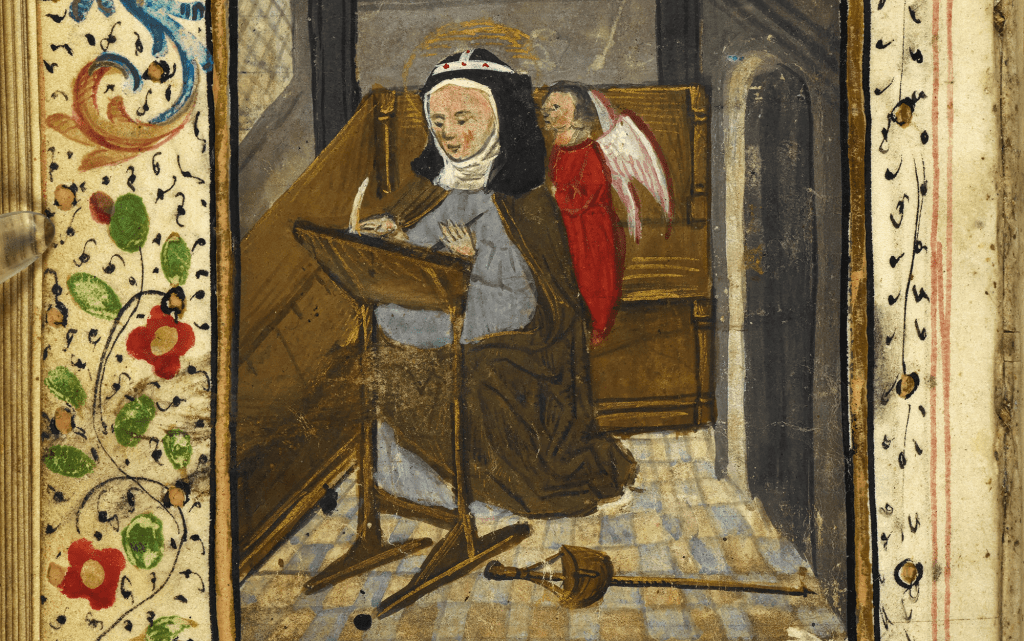
One of the reasons that I am so interested in the experience of female mystics is because of the pleasurable torture that they embody. For the feminized mystic, mysticism seems to be the painful reoccurrence of a hypothetical loving bond to Christ. Historian Karma Lochrie describes their experiences as mystical sex that is a “more troubling field of experience that strays into the realms of violence, suffering, and torture.”2 A 13th century Dutch mystic, Hadewijch, wrote of her pleasurable mystical torture: “ My heart and my beings and all my limbs trembled and quivered with eager desire and, as often occurred to me, such madness and fear beset my mind that it seemed to me I did not content my Beloved, and my Beloved did not fulfill my desire, so that dying I must go mad, and going mad I must die.”3
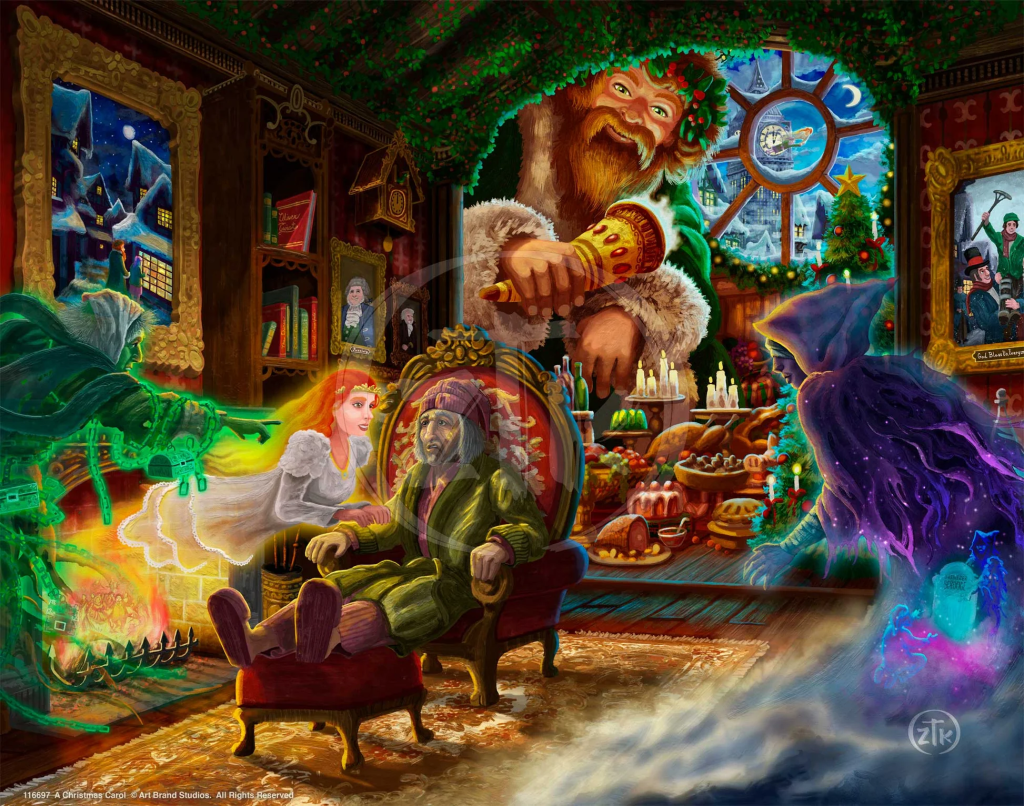
This semester I took a class on the Victorian novel. We read the following books: Mary Shelley’s Frankenstein, Charles Dicken’s A Christmas Carol, Charlotte Bronte’s Jane Eyre, Mary Elizabeth Braddon’s Lady Audrey’s Secret, and Beatrice Harraden’s Ships that Pass in the Night. These Victorian authors embodied the same type of mystical, pleasurable pain as did female Medieval mystics. I want to create a small series that interconnects the lived experience of our Gothic, Victorian, characters with that of certain mystics, and with mysticism itself. How does the Victorian novel intertwine with mysticism itself? Elements of mysticism are often shown in Victorian novels through the use of supernatural occurrences, mysterious characters, and unexplained events that challenge the boundaries of reality and places those boundaries within the sphere of religious spirituality.
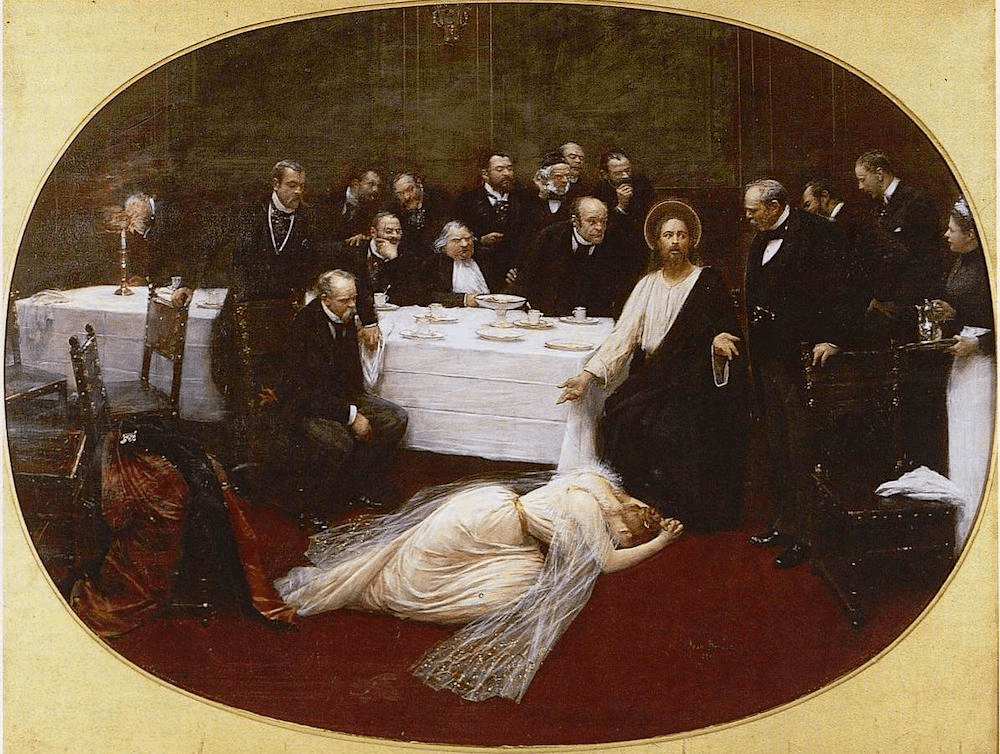
It is wonderful and fascinating how two completely different periods of society could be so similar. And with this, in the next few days, I will lead you through my series of Victorian mystics. 🙂


 AGblogs
Leave a comment